

Frederick Scanner

Map of First Due Area

| Upcoming Events |
|
12/06/2026 Annual Community Tree Lighting |
|
12/12/2026 - 12/15/2026 Santa Claus Comes to Jefferson |
| View All Events |
| 2025 Incidents | ||
|---|---|---|
| FIRE | AMBO | |
| Jan | 35 | 59 |
| Feb | 36 | 39 |
| Mar | 43 | 61 |
| Apr | 52 | 47 |
| May | 34 | 59 |
| Jun | 49 | 65 |
| Jul | 52 | 62 |
| Aug | 37 | 59 |
| Sep | 46 | 55 |
| Oct | 49 | 69 |
| Nov | 38 | 46 |
| Dec | 64 | 77 |
| Total | 535 | 698 |
| 2026 Incidents | ||
|---|---|---|
| FIRE | AMBO | |
| Jan | 53 | 56 |
| Feb | 31 | 53 |
| Mar | 57 | 58 |
| Apr | 46 | 51 |
| May | 53 | 72 |
| Jun | 36 | 70 |
| Jul | 65 | 74 |
| Aug | 58 | 69 |
| Sep | 48 | 57 |
| Oct | ||
| Nov | ||
| Dec | ||
| Total | 447 | 560 |
| Yearly Totals | ||
|---|---|---|
| FIRE | AMBO | |
| 2024 | 337 | 471 |
| 2025 | 535 | 698 |
| Web Counters | ||||||
|
|
Carbon Monoxide Safety: Protect Your Family from the Invisible Threat
What Is Carbon Monoxide and Why Is It Dangerous? Carbon monoxide is produced when fuels—such as natural gas, wood, propane, oil, charcoal, or gasoline—burn incompletely. Common household sources include:
When carbon monoxide builds up indoors, it can quickly lead to:
Why You Need Carbon Monoxide Alarms 1. CO Is Impossible to Detect Without an Alarm 2. Early Warning Saves Lives 3. CO Can Build Up Year-Round Where to Install Carbon Monoxide Alarms To ensure complete protection, install CO alarms:
Combination smoke/CO alarms are acceptable when installed according to manufacturer guidelines. Maintenance and Safety Tips 1. Test Monthly 2. Replace Batteries as Needed 3. Replace the Entire Unit Every 7–10 Years 4. Keep Alarms Clean 5. Never Ignore a CO Alarm
Preventing Carbon Monoxide Buildup
Don’t Take Chances with Carbon Monoxide Carbon monoxide is a silent killer—but it is preventable. Installing and maintaining carbon monoxide alarms gives your family critical protection and peace of mind. |
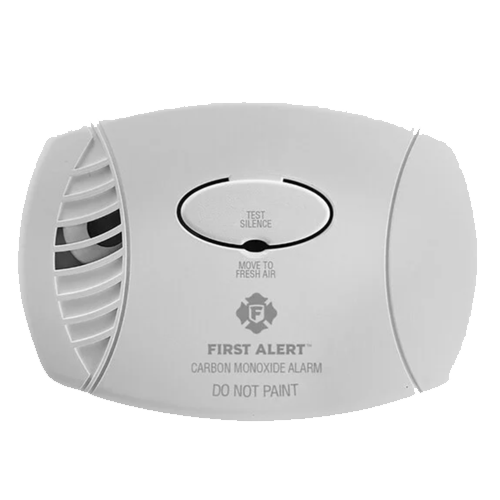 Carbon monoxide (CO) is a colorless, odorless, and deadly gas. Because it cannot be seen, smelled, or tasted, the only reliable way to detect it in your home is with a working carbon monoxide alarm. Early detection saves lives.
