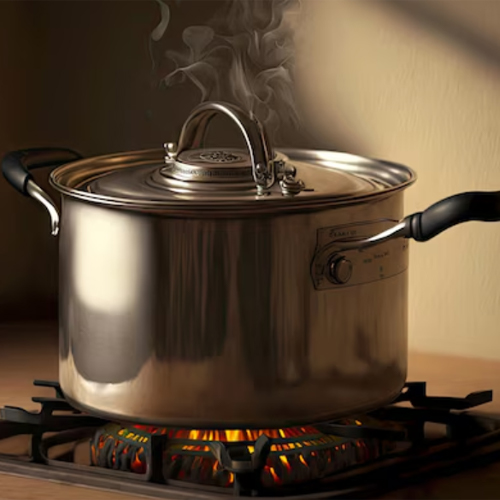
The kitchen is the leading location for home fires—and most cooking-related fires start in an instant. Whether preparing daily meals or hosting a holiday gathering, fire safety should always be part of your routine. The good news? Nearly all cooking fires are preventable with simple, proactive steps.
Why Kitchen Fire Safety Matters
Cooking is the number one cause of home fires and home fire injuries in the United States.
Unattended cooking is the leading contributing factor.
Grease fires are especially hazardous and can spread rapidly if handled incorrectly.
Safe habits significantly reduce the risk of injury or property damage.
Safe Cooking Practices
1. Stay in the Kitchen
Never leave stovetop cooking unattended.
If you need to step away, even briefly, turn off the burner.
2. Keep a “Kid-Free Zone”
Establish a 3-foot zone around the stove, oven, and any hot appliances.
Keep children and pets away from the cooking area to prevent accidental burns or spills.
3. Keep the Area Clear
Remove flammable items from near the stove, including:
Dish towels and potholders
Food packaging and paper towels
Plastic utensils
Clean stovetops and ovens regularly to prevent grease buildup.
How to Handle a Cooking Fire
If a Pan Catches Fire:
Slide a lid over the pan to smother the flames.
Turn off the burner immediately.
Leave the lid on until the pan has completely cooled.
Never use water on a grease fire—it can cause the flames to explode and spread.
Do not attempt to move the burning pan.
If a Fire Starts in the Oven or Microwave:
Keep the door closed to contain the fire.
Turn off the appliance.
If the fire does not extinguish quickly, evacuate and call 911.
Preventing Grease Fires
Heat cooking oils slowly and stay nearby.
Watch for early warning signs of overheating—smoke means danger.
Keep a metal lid, baking sheet, or Class K (or multi-purpose) fire extinguisher nearby.
Smart Safety Equipment
Install a working smoke alarm near—but not inside—the kitchen.
Keep a fire extinguisher easily accessible and regularly maintained.
Make sure everyone knows how to use a fire extinguisher:
P.A.S.S. – Pull, Aim, Squeeze, Sweep
Additional Kitchen Safety Tips
Wear short or tight-fitting sleeves when cooking.
Turn pot handles inward to avoid accidental spills.
Use timers or smart devices to keep track of cooking times.
Avoid cooking if you're drowsy, distracted, or under the influence.
Stay Alert. Stay Safe.
Kitchen fires happen fast—but they are highly preventable. By staying alert, following safe cooking practices, and preparing your home with the right equipment, you can protect your family and prevent tragedy before it starts.


 The kitchen is the leading location for home fires—and most cooking-related fires start in an instant. Whether preparing daily meals or hosting a holiday gathering, fire safety should always be part of your routine. The good news? Nearly all cooking fires are preventable with simple, proactive steps.
